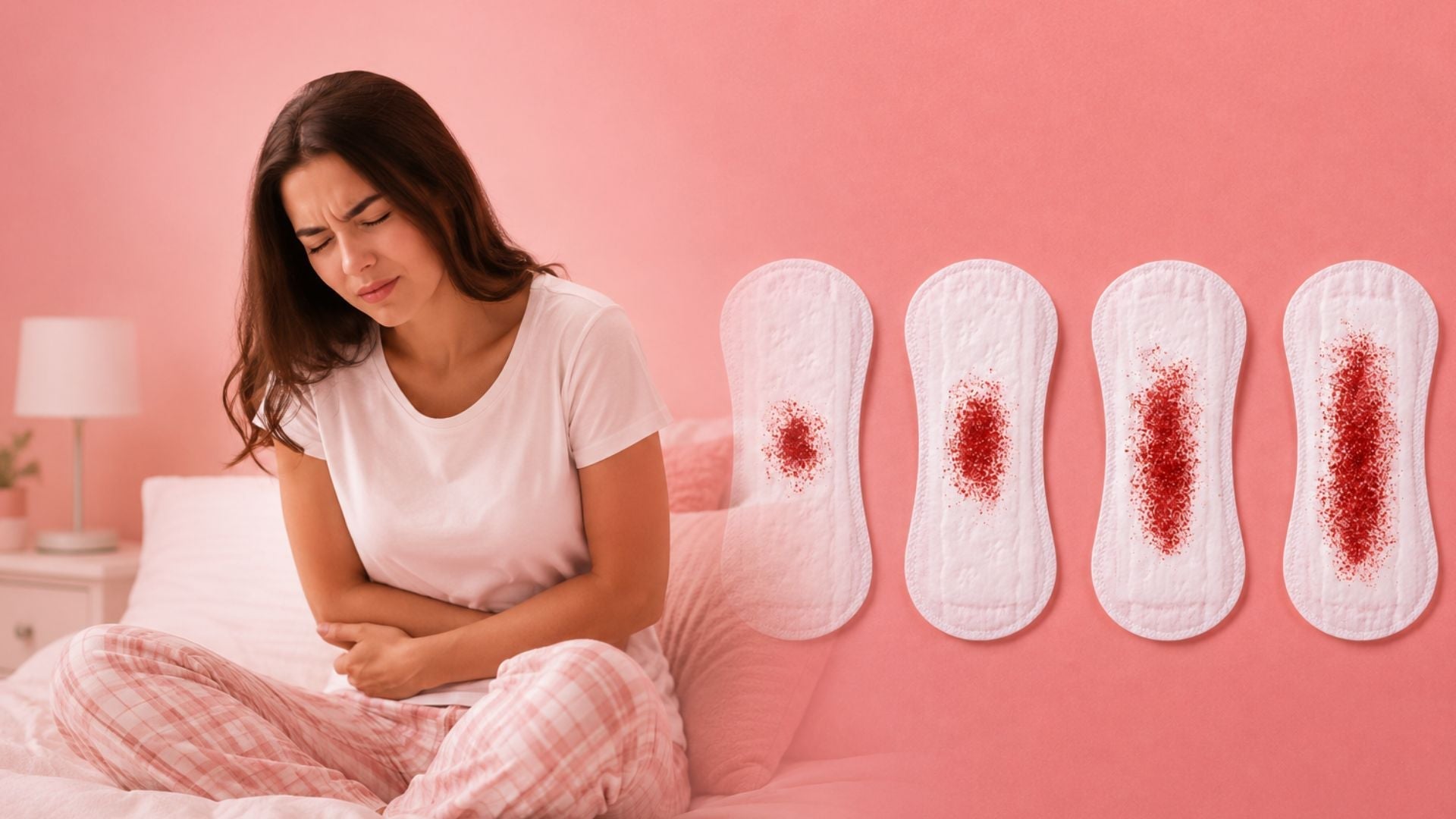

It's a fact that women notice that they pee more during their periods. Mostly it happens on the first day. Sometimes it comes with urgency or mild discomfort. The first day of your period, your body goes through an intense internal shift. The hormonal level drops sharply while prostaglandin is released at higher levels. Both the combinations (pee and period) together increase the maximum bladder activity and physical discomfort. You should understand why this is happening and try to solve this problem after consultation, so that you’ll be relaxed and stress-free.
| This article is for general information only. It is not a substitute for professional medical advice. Speak to your doctor about any persistent or unusual urinary symptoms. |
Quick Summary
- Hormonal shifts around your period directly affect the bladder
- Prostaglandins released during menstruation stimulate muscles, including the bladder
- A drop in progesterone causes your body to release retained fluid
- Increased urination usually peaks in the first 1 to 3 days
- It is normal for most women and resolves after your period ends
The Main Reasons You Pee More During Your Period
1. Prostaglandins
Prostaglandins are the biggest reason. Prostaglandins are hormones, like chemicals, which are released by the lining of the uterus. It helps to trigger the uterine contractions because of this period; cramps can happen. They don't stay in one place; they spread and affect the bladder and bowel muscles, which are close to the uterus. Meanwhile, prostaglandins stimulate both of them. The result is that there are more bladder contractions, which means a stronger and more urgent urge to urinate.
2. Progesterone Drop
In the second half of your cycle, progesterone levels are high. This hormone causes water retention.
Your body holds onto more fluid. On the third day of your period, the level of progesterone is very high. This hormone is caused by the retention of water. Your body should retain more fluid during period days so that bloating does not occur. Sharply, your body's progesterone when your periods start. Slowly, your body releases all the fluids that are stored. Here, more fluid means more pee.
3. Oestrogen and Bladder Sensitivity
Oestrogen plays a very important role in maintaining the balance between pelvic floor muscles and bladder tissue. In your body during periods, estrogen drops because the gall bladder becomes more sensitive at this time. A sensitive bladder feels the urge to empty even if it is not full. This guide will help you to understand the sense of urgency that all women feel after urinating.
How Hormones Change Through Your Cycle
| Phase | Days | Key hormones | Effect on the bladder |
|---|---|---|---|
| Follicular | Days 1 to 13 | Oestrogen rising | Bladder capacity may increase slightly |
| Ovulation | Around day 14 | LH surge, oestrogen peaks | Minimal bladder effect |
| Luteal | Days 15 to 28 | Progesterone rises | Fluid retention, then release at period start |
| Menstruation | Days 1 to 5 | Both hormones drop sharply | Prostaglandins increase, more frequent urination |
ALSO SEE- How to Increase Blood Flow During Periods
What Is Normal and What Is Not
| ✓ Normal Symptoms | ⚠ Warning Signs |
|---|---|
| ✓ Peeing slightly more in the first 1 to 3 days | ⚠ Burning or stinging when you urinate |
| ✓ Urgency that passes after your period ends | ⚠ Blood in urine unrelated to your period |
| ✓ Mild pelvic pressure with urge to urinate | ⚠ Frequency that continues well after the period ends |
| ✓ Frequency linked clearly to your cycle timing | ⚠ Pain in the lower back or sides alongside urination |
Things That Can Make It Worse
Caffeine and Alcohol
Caffeine and alcohol are very detrimental to health. If you consume them during periods or pregnancy, then it irritates your bladder. Alcohol dehydrates the body. You should never consume.
Not Drinking Enough Water
You should drink more water during your period so that you’ll be hydrated, and if you don't drink much water, then your body will be dehydrated, and concentrated urine will disturb the lining of the bladder, which can make things worse. So, drink water as much as you can. Keep yourself hydrated.
Carbonated Drinks and Artificial Sweeteners
Carbonated drinks such as Pepsi, Coke, and some sweeteners irritate and disturb the gall bladder, which can cause serious issues and emergencies. You should always have herbal teas, plain water, and diluted juices. These are the best choices
ALSO SEE- Facts About Drinking Alcohol During Your Period
High Sodium Foods
High sodium food ( salty) increases the fluid retention before your period. Once your periods start, that triggers fluid release, which can cause more urination. Reducing salt in the daytime may reduce the bloating and ease this effect.
Practical Tips to Manage It
What Helps During Your Period
- Drink water consistently, aim for 6 to 8 glasses a day
- Reduce coffee, tea, and fizzy drinks in the first few days
- Avoid very salty or processed foods before and during your period
- Do not limit fluids to reduce trips; concentrated urine makes it worse
- Try pelvic floor exercises regularly to improve bladder control
- Use a hot water bottle for cramps; it may ease prostaglandin-related discomfort
- Track your cycle so you can anticipate and prepare for these days
Frequently Asked Questions
Why do I pee so much on the first day of my period?
The first day of your period, your body goes through an intense internal shift. The hormonal level drops sharply while prostaglandin is released at higher levels. Both the combinations (pee and period) together increase the maximum bladder activity and physical discomfort
Should I do pelvic floor exercises?
Exercise is the best thing you can do. If you do regular exercise, then a strong pelvic floor improves your gall bladder, whereas Kegel exercises reduce the leakage and urgency during the period. So you should add exercises to your daily routine for maintaining good health.
Can my period cause a UTI?
Periods itself does not cause UTI. UTI happens when blood comes in contact with bacteria near the urethra. So, always take precautions when you are using public washrooms for your safety, whereas if you are maintaining good hygiene during the it can reduce the risk of UTI.
The Bottom Line
It is very normal and common for a woman to pee more during these periods. Prostaglandins, hormonal shifts, fluid release, and pelvic pressure contribute to these changes. It is often noticeable during the first one to three days after this, it settles down once your period ends.
So, it is recommended to maintain good hygiene, stay hydrated, and avoid caffeine. Most of the time, try to track your period cycle. This is what you should do during periods.
| Concerned About a Urinary Symptom? Speak to Your Doctor for Personalised Advice |
If symptoms feel unusual or are getting worse each cycle, always mention it to your healthcare provider.