

Frequent urination before period? You’re not alone. While cramps, mood swings, and cravings are common symptoms of PMS, frequent urination is also experienced by many.
Women's hormones naturally fluctuate through the menstrual cycle of 21-35 days. These changes help to regulate ovulation, menstruation and other PMS symptoms like frequent urination, bloating, etc.
Let’s break this down for you:
Causes of Frequent Urination Before Your Period
There’s only one known cause of frequent urination before your period—hormones. But these are not the only causes. Other possible reasons also include bloating, bladder sensitivity, stress, UTIs, pregnancy, diabetes, medicines, pelvic floor issues, and overactive bladder.
-
Hormonal fluctuations
Two hormonal fluctuations play around your periods—progesterone and estrogen. Progesterone levels rise during the luteal phase (second half of the cycle), which may increase an urge to urinate in women. Once the level drops near the menstrual cycle, bladder control may be affected in some women.
-
Fluid retention and bloating
Aldosterone (which regulates kidney function) gets activated by progesterone. This causes water retention (bloating) during the menstrual phase. After the progesterone falls, the body flushes out extra fluid, leading to frequent urination.
Bloating itself can place gentle pressure on the bladder. Some women may feel the need to urinate more often before their period.
-
Prostaglandins effects
Prostaglandins are hormone-like chemicals that cause the uterus muscles to contract during periods. These are the reasons why women get cramps and may also contribute to bladder sensitivity. This temporary increase in bladder sensitivity may make you feel like you have a full bladder when it actually isn’t.
-
Urinary tract infections (UTIs)
A drop in estrogen before menstruation may make the urinary tract more vulnerable to infections like bacteria. This leads to frequent urination with a burning sensation, pelvic pain, or cloudy urine with odour.
-
Overactive bladder
People with overactive bladder caused by nerve sensitivity or lifestyle factors may get worse around periods.
-
Early pregnancy
Frequent urination, bloating, mood swings, and cravings are common symptoms for early pregnancy and PMS. If you’ve missed your period and still have frequent urination, take a pregnancy test.
Can stress make frequent urination worse?
Yes, emotional stress and anxiety can increase the urge to urinate. It also affects the nervous system that plays a role in bladder functioning. Manage stress with some relaxation techniques, sleep well, and take time to unwind.
ALSO SEE- Benefits of Fasting While on Period
-
Other Possible Reasons for Frequent Urination
Other conditions that may contribute to frequent urination:
- Urinary tract infections (UTIs)
- Overactive bladder
- Diabetes
- Medications, like diuretics
- Pelvic floor dysfunction
- Uterine fibroids or other pelvic conditions
- Drinking larger amounts of fluids than usual
Is Frequent Urination Before Your Period Normal?
Yes, it's normal to have frequent urination before your period. But make sure it goes away after your menstrual cycle. If not, it may indicate pregnancy, a UTI, overactive bladder, or other kidney dysfunctions.
Consult a doctor if:
- You experience burning or pain while urinating
- Urine colour is dark and cloudy, with a strong odour
- Frequent urination even after the period
- Pelvic and lower back pain while urinating
- Fever and chills
Managing Frequent Urination Before Your Period
Manage frequent urges to urinate before your period with these small habits:
- Opt for less sodium intake
High salt intake worsens fluid retention. Ease up on fried, frozen, and salty snacks and foods.
- Consume limited alcohol and caffeine
Caffeine and alcohol both act as diuretics. Limit consumption.
- Watch for other bladder irritants. Many foods and drinks may increase urination, like spicy foods, carbonated drinks, artificial sweeteners, and highly processed junk food. Track your symptoms to know what personally triggers your bladder.
- Maintain good bathroom practices
Wipe front and back after getting intimate or using a public washroom to lower the risk of UTI.
- Stay hydrated
Stay hydrated and let your body regulate fluid balance. It also eases bloating.
- Track your cycle
Notice when the urge to urinate increases. It helps you get prepared.
- Support your body with healthy habits.
Opt for gentle lifestyle habits like eating a balanced diet, staying physically active, sleeping well, and managing stress levels.
- Ayurveda Perspective
Ayurveda considers the menstrual cycle as part of the body's natural balance. During periods, your digestion, water retention, and elimination may get affected. Support your body with nourishing and warm meals, fluids, gentle movement, hydration, and rest to feel comfortable throughout periods.
Frequently Asked Questions
1. Is it normal to pee so much before the period?
Yes, it is absolutely normal to experience frequent urination before a period. It is mainly due to hormonal changes that may temporarily affect bladder sensitivity.
2. Is frequent urination a sign of PMS or early pregnancy?
Frequent urination is a symptom of both PMS and early pregnancy. For pregnancy, take a test at home if you missed a period.
3. How many times a day is normal urination before a period?
You may go three to four times more than your usual routine before the period. If followed by a burning sensation, smell, or cloudy urine, consult a doctor.
4. How to know whether it’s a UTI or a PMS symptom?
Frequent urination when followed by burning, excessive itching, cloudy and smelly urine, or difficulty in urinating may indicate a UTI. Consult a doctor or get your urine tested.
5. Is itching during this period normal?
Yes, tolerable itching is normal during PMS with frequent urination. If you experience light spotting before a period, period underwear can help you stay comfortable. However, it doesn’t prevent or treat UTIs or vaginal itching.
Frequent urination before the period is normal and is often linked to hormonal changes. The secret is to worry less and focus on your well-being rather than stressing over PMS symptoms. Just pay attention to the symptoms and know what triggers it the most.
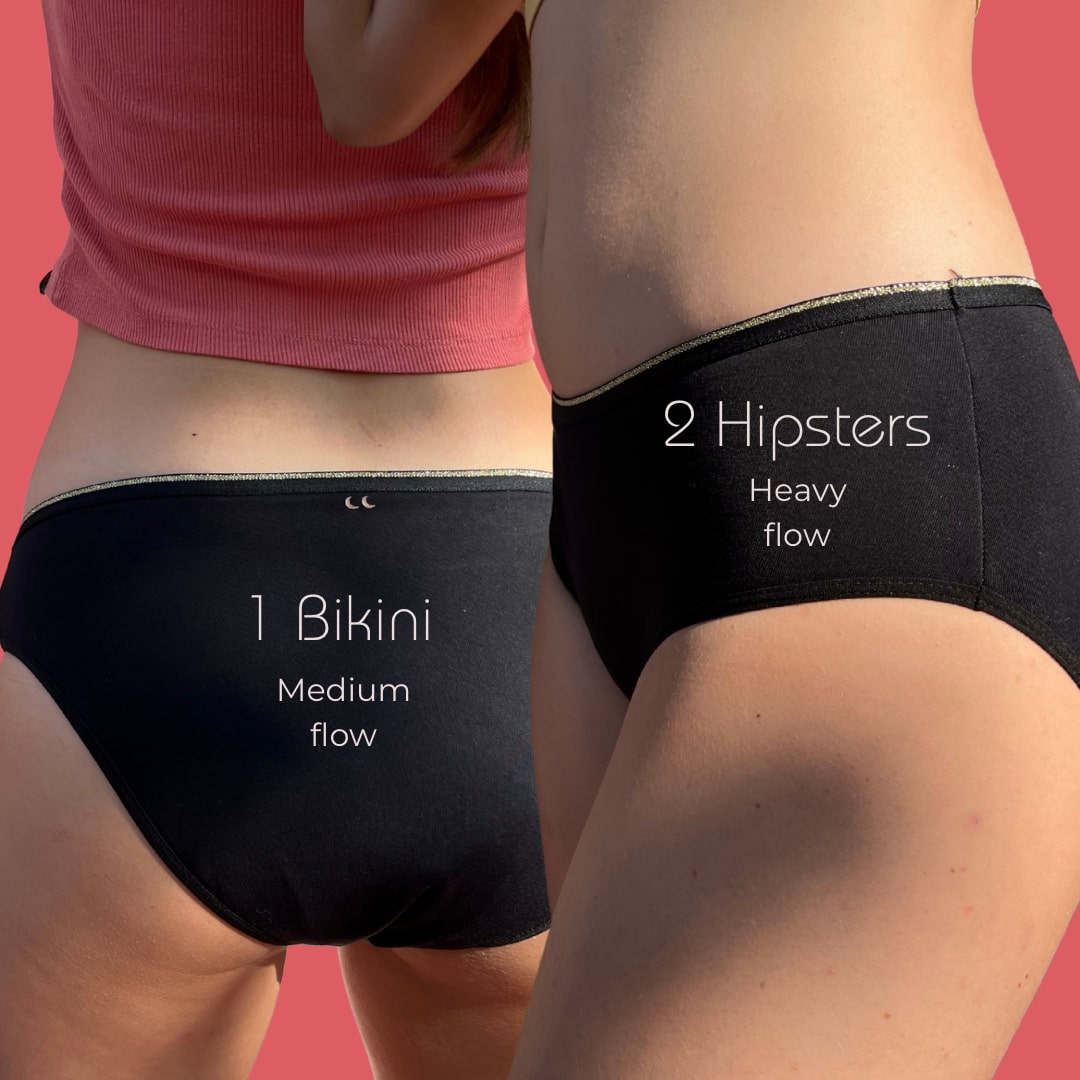
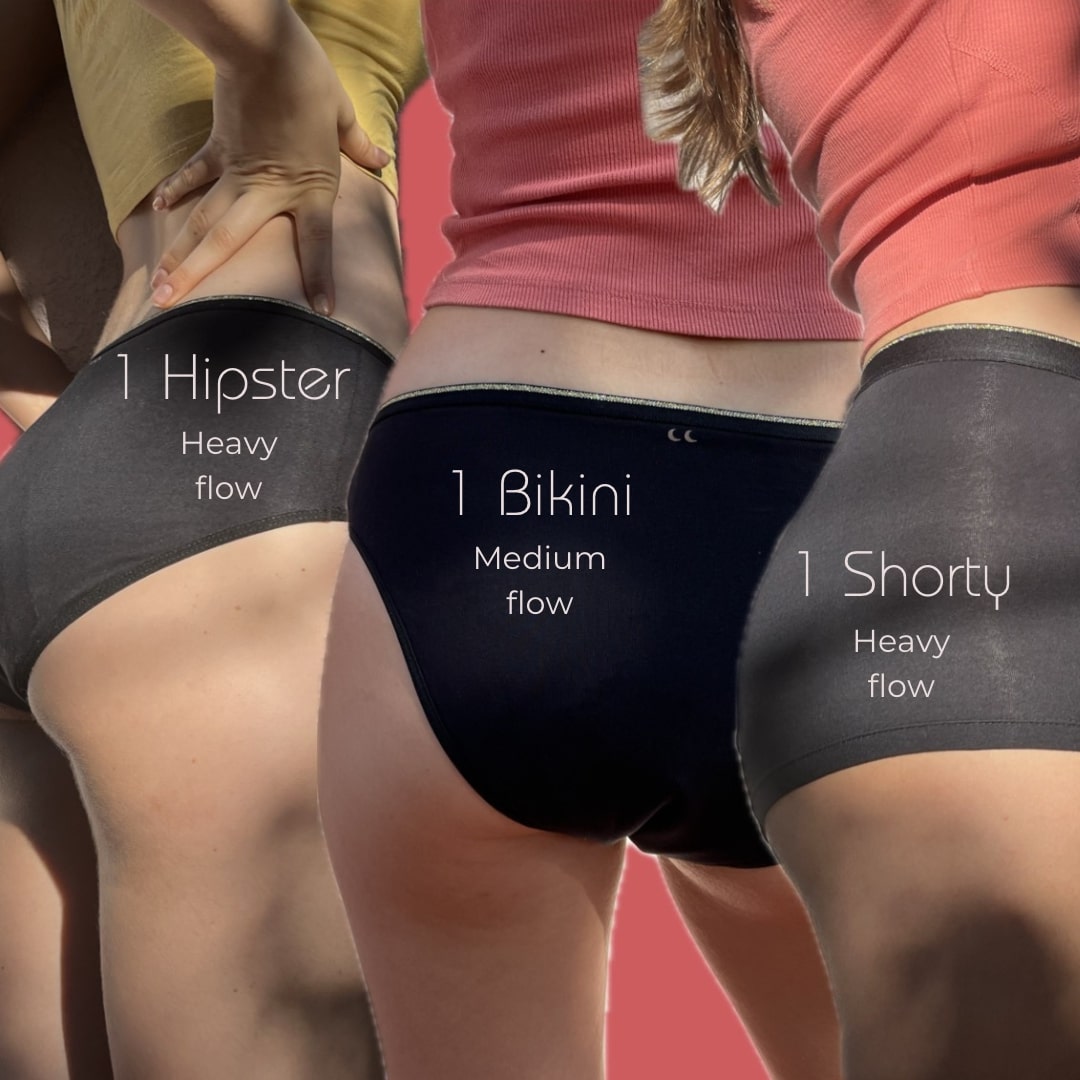
For better period days, switch to period underwear. These provide better comfort and peace of mind—but aren’t a treatment for urinary conditions.
Disclaimer: This article is intended for educational purposes only and should not be considered medical advice. Every woman's body is different, and symptoms can vary from person to person. If you experience persistent, severe, or concerning urinary symptoms, consult a qualified healthcare professional for proper diagnosis and treatment.

