

One moment you’re laughing, enjoying, and suddenly an online puppy video makes you cry– ever experienced that? For no clear reason, you get overwhelmed, anxious or simply annoyed. And then you check your calendar to only realise ‘periods incoming’.
Mood swings during periods aren’t uncommon. Almost every woman experiences an emotional roller coaster ride that feels too much. It is not just a breakdown but a hormonal, nervous system and energetic shift.
Let's explore how to manage mood swings during periods.
Mood Swings Are Not a Character Flaw
Let’s make one thing clear: mood swings aren’t a character flaw. Experiencing anxiety, anger, crying, irritability and sadness is normal.
You may react more, cry more and feel things more than usual. Even the best caffeinated drink feels like of no use. PMS or premenstrual symptoms make you go through the worst phases of emotions along with sleep and appetite changes.
Sometimes your mood swings are trying to speak out about something. Listen to your body. But in the end, your emotions are valid.
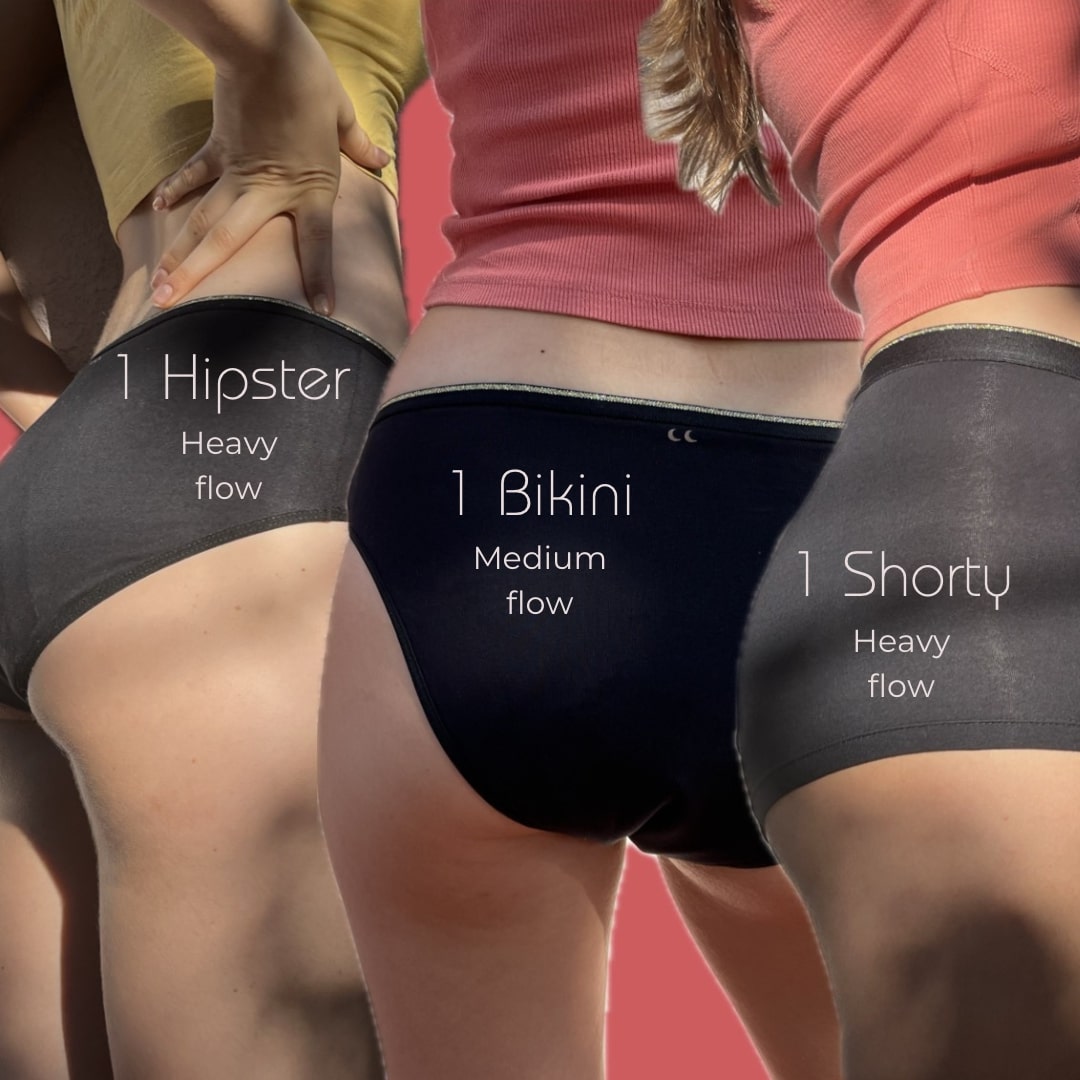
Shop The Essential Pack for Comfortable Periods
Why Mood Swings Happen Around Your Period
Hormones shift drastically during menstrual cycles. These changes affect mood, sleep, appetite, energy and emotions. You may experience pain, bloating and fatigue as well. All you’ve to do is take less stress, eat well and hydrate more.
Although hormones affect your mood, other factors like sleep and nutritional intake also play an equal part.
Know Your Emotions
Start noticing your emotional pattern. You may not be able to control them, but understand them:
- Know when they start
- What is your overall mood and energy during menstruation
- Are you more irritable and anxious or sad and angered
- What are your cravings like? Did your appetite increase
- What is your sleep quality
- Are you stressed
- How’s the pain and flow
- Did you isolate yourself socially
You may take 2-3 cycles to acknowledge your emotions. These may not get controlled, but you’ll know the reason why you’re acting a certain way.
Mood changes may become more prominent in the days closer to the periods for many women, and improve once the cycle begins or ends.
Taking Food as Mood Support
Food is comforting, especially during periods. You may crave something sweet, buttery and cheesy.
Mood swings during periods may change your appetite or lower blood sugar, which may cause cravings and irritability for some women. Hence, many have chocolates and candies to satisfy themselves.
But is it healthy? Periods need regular meals to keep up your energy, including protein, fibre, fat and carbohydrates.
The right nutrition helps to manage PMS and soften emotional crashes. Foods to have during periods include:
- Healthy fats like dry fruits
- Complex carbohydrates like bread
- Warm, cooked meals like dal, vegetable stew
- Protein like paneer
- Magnesium- and iron-rich foods
- Hydrating fruits and warm fluids
Magnesium, B Vitamins, and Mineral-Rich Foods
Mineral-rich foods support the nervous system, energy, sleep and muscles.
Magnesium-rich foods may support overall well-being and help with PMS symptoms like water retention, breast tenderness and mood swings in some women:
- Pumpkin and sesame seeds
- Almonds, cashews & raisins
- Dark chocolate
- Bananas, leafy greens
- Lentils, eggs & whole grains

The Ayurvedic View
Ayurveda considers menstruation a cycle of naturally letting waste go. Emotional instability occurs when the body feels cold, overstimulated and depleted.
Vata (the energy of movement and change) gets active during this phase and when it doesn't get enough support may result in restlessness and anxiety.
Support your Vata by:
- Having warm and cooked foods over raw and cold salads. Light meals like dal, Khichdi, vegetable stew work wonders
- Warm teas or water
- Regular and same meal times
- Oil massage before bath
- More rest, less work
- Avoid overstimulation
- Have a gentle and predictable routine
- Sleep early
Get Enough Sleep
Sleep is important to consider during periods. Poor sleep may instigate mood swings, irritability and anxiety. Aim for 7-8 hours of quality sleep and try to maintain a fixed sleep schedule. Here are a few habits to consider:
- Getting to bed early around 10 pm
- Less screen time at night
- Get a warm shower before bed
- Have herbal tea before sleep
- Eat a light dinner
- Keep room cool and calm
Movement & Exercise
But do not engage in heavy workouts like high-intensity training or weightlifting.
Light exercises and movement support mood, circulation and stress release. But your workout should not exhaust you. Listen to your body and stop when you have to. If weightlifting feels difficult, opt for simple exercises like yoga, stretching, dancing, swimming, cycling and light training.
Movement plays a role too. Regular walking during periods eases PMS symptoms to manage low mood, fatigue and stress.

Overstimulation Emotional Boundaries
Mood swings may get worse with overstimulation. It might be due to a notification, news or a simple Instagram reel. Do not stress your nervous system. Consider these practical shifts:
- Say no whenever you want to
- Do not carry social pressure
- Do not have heavy conversations on menstrual days
- Have a quiet and me time
Have An Emotional Release
Sometimes periods give you a chance to listen to your body and mind. Take a few minutes out for yourself and let your body speak to you. If you feel overwhelmed, share it with a friend.
Practice journaling, breathing exercises, ten-minute naps and creative habits during periods.
Natural Supports and Herbal Comfort
Some women find herbal teas to be comforting during their periods. Have chamomile, ginger or fennel tea to feel better. You may also take supplements like ashwagandha, shatavari, or magnesium capsules.
Please note that supplements like ashwagandha and shatavari should always be taken under the guidance of a medical professional.
Comfort From the Outside: Clothes and Period Protection
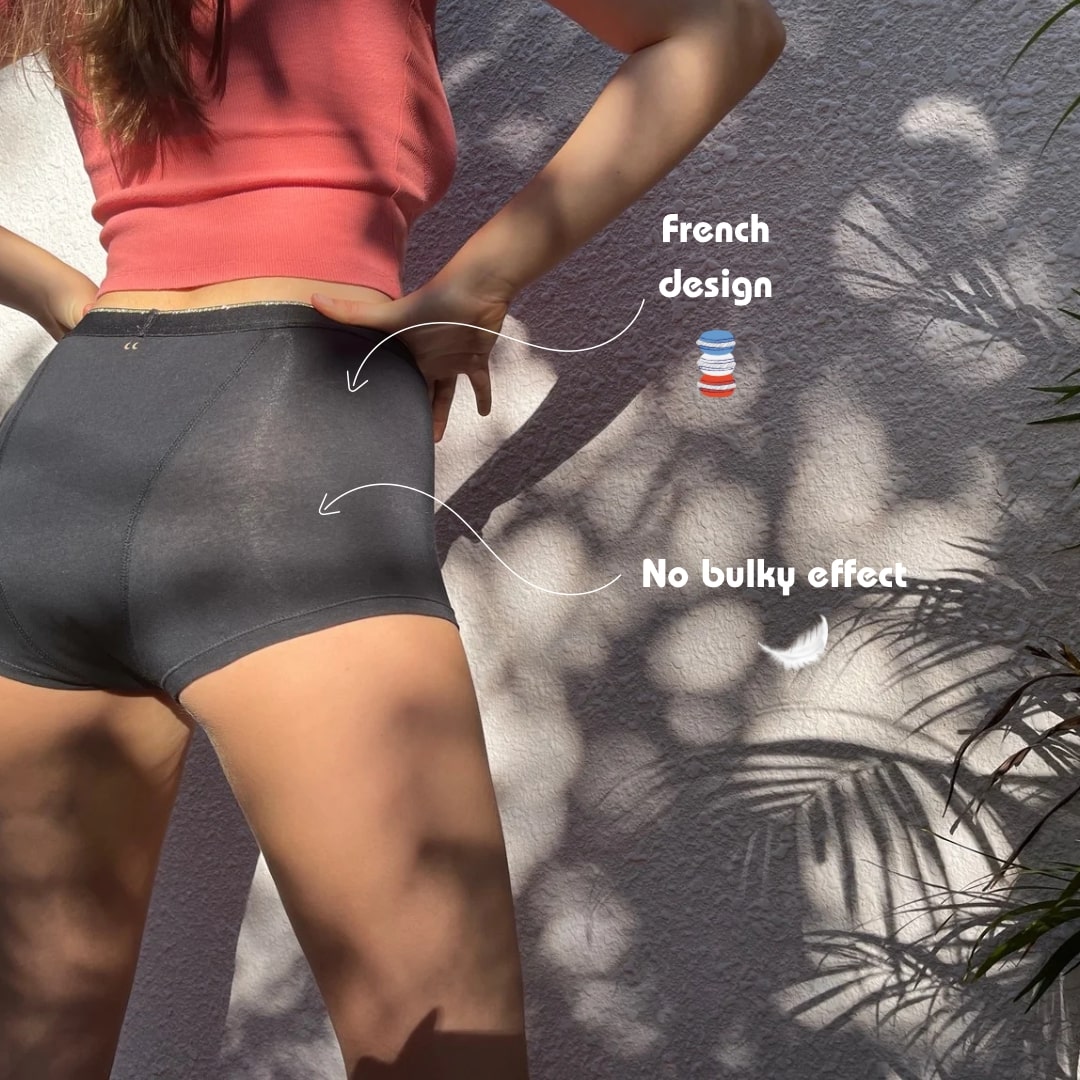
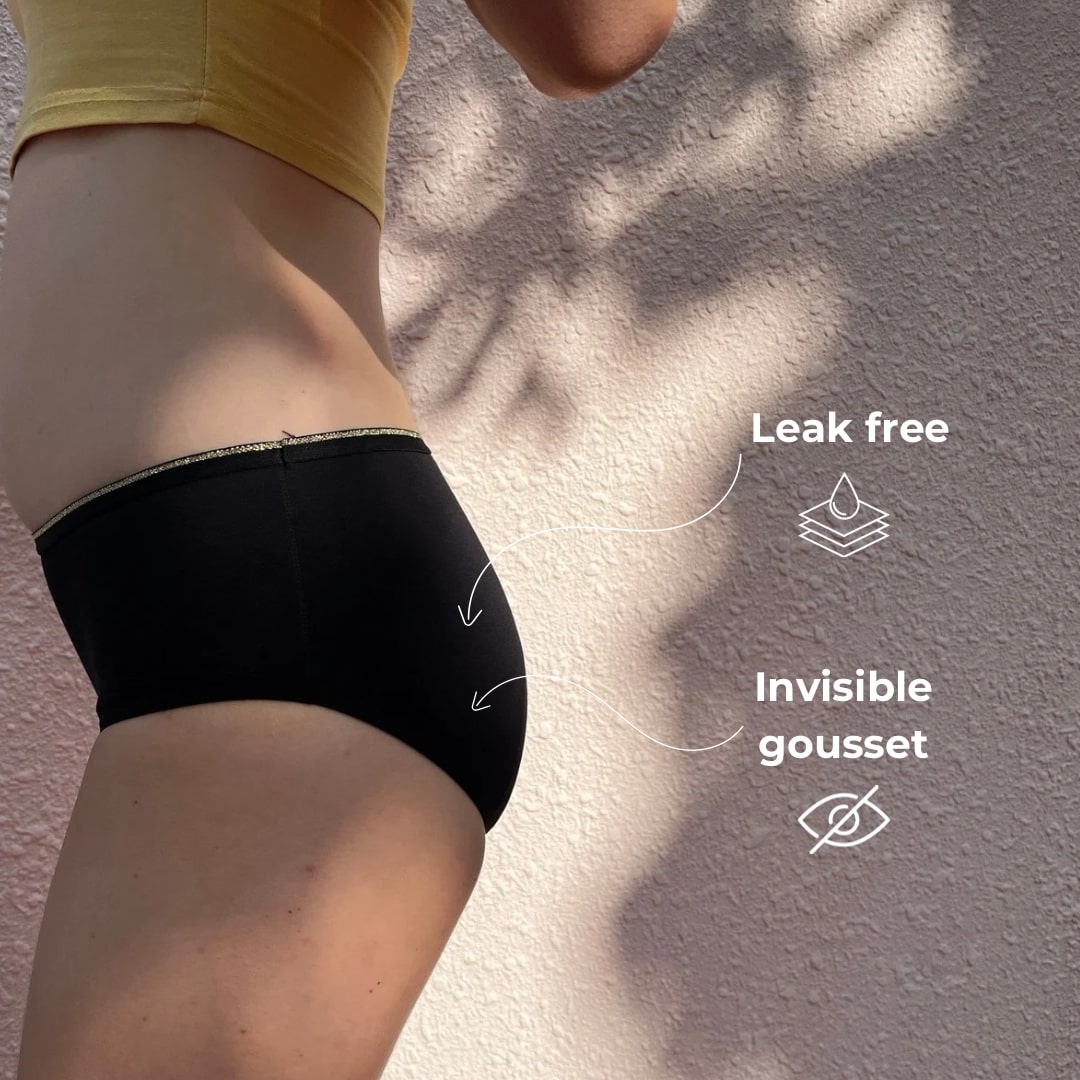
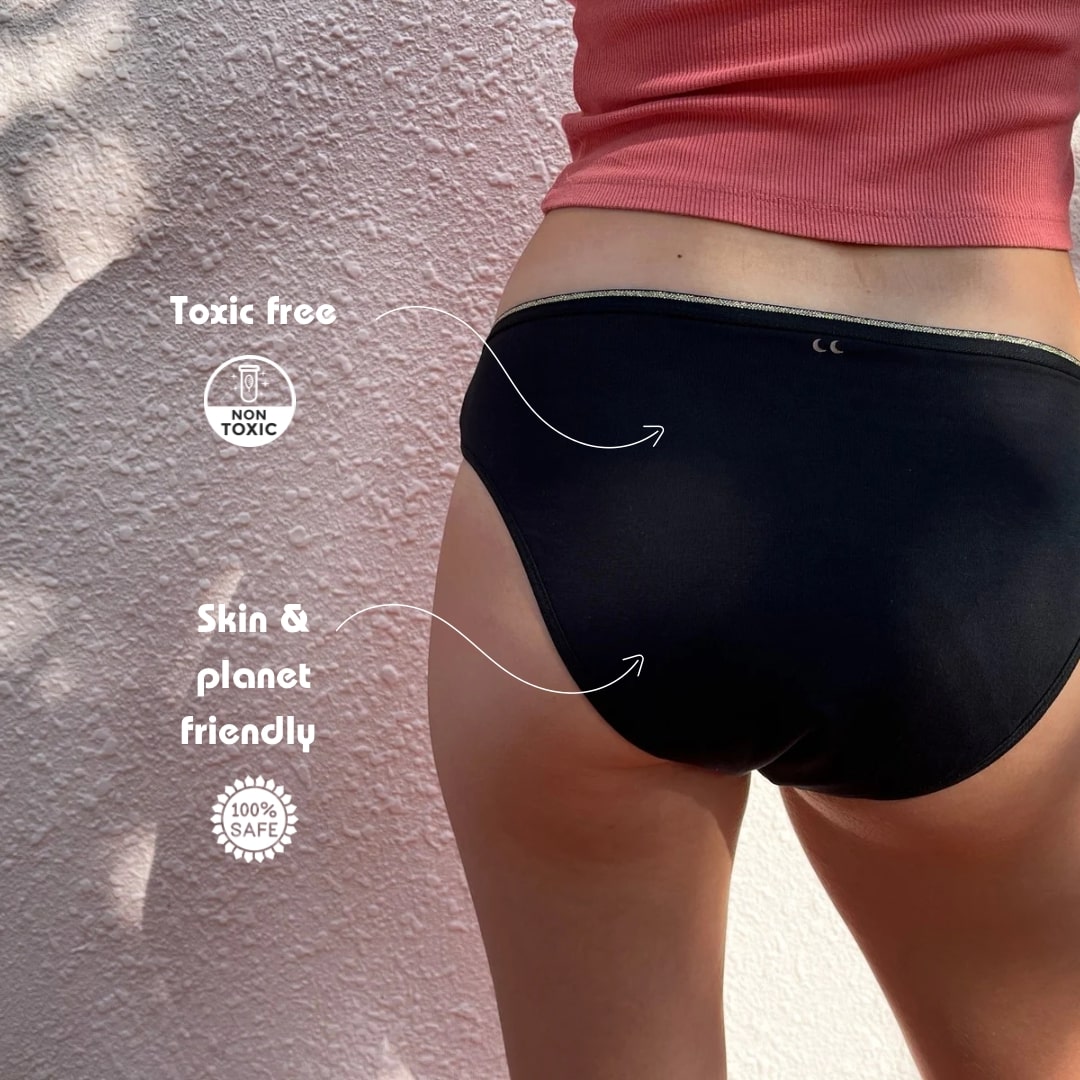
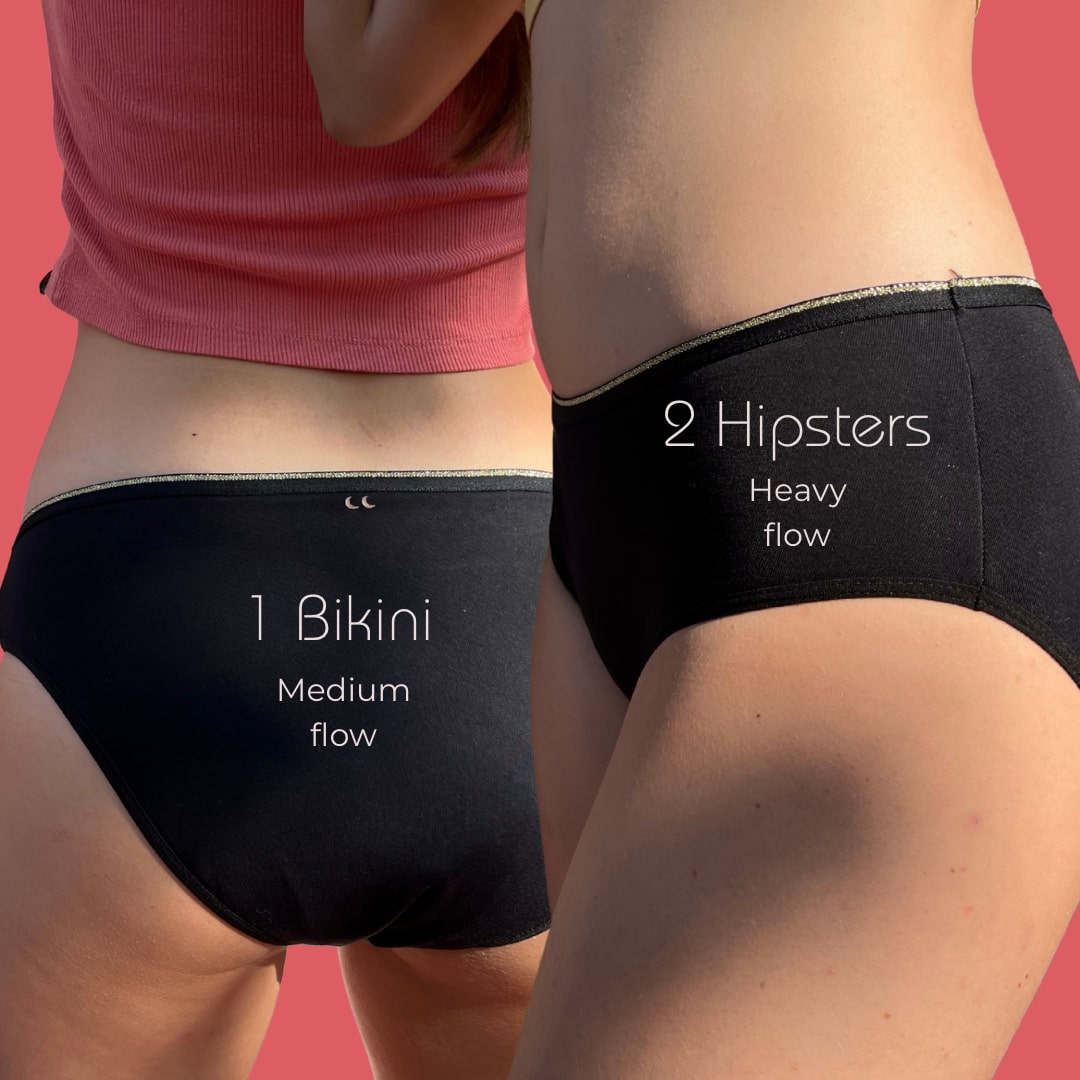
Mood is not only affected by internal feelings. You may feel outside discomfort too. This might be a feeling of dirty, loaded and shifting pads or an uncomfortable tampon. Enter period underwear— genuine and reliable underwear made for menstrual cycles. It makes you feel protected, dry and at ease on the skin.
Can Mood Swings Be More Than PMS
Yes, sometimes mood swings are more than PMS. They deserve real and professional attention. Reach out to a professional if:
- Mood swings have impacted your career and life
- Depression feels intense, sometimes with thoughts of self-harm
- You get severe panic attacks
- Anger feels uncontrollable
- You feel hopeless and doubt your self-esteem
Things To Do Before Your Next Period
Here are a few things to do before your next period:
- Track your peak sensitive days
- Plan proper meals
- Plan early sleep
- Give yourself ten minutes each day
- Have warm fluids
- Do happy habits
- Wear comfortable period underwear
FAQs
1. Are mood swings normal before a period?
Yes, they’re normal. The hormonal shifts may trigger mood swings and other PMS symptoms.
2. Are mood swings during this period normal?
Yes, mood swings during this period are normal. These may last for a day or two.
3. Is there a way to calm PMS irritability naturally?
Yes, a few changes in your routine can calm your PMS irritability, like regular healthy meals, better sleep, gentle exercises and hydration.
4. Can food help to cope with mood swings during periods?
Yes, warm, protein-, magnesium-, and iron-rich foods help to soothe mood and energy during periods. Avoid heavy, junk and sugary foods.
5. Can late-night sleep affect PMS?
Yes, late-night sleep affects mood swings during PMS. Sleep early to feel less anxious and irritated.
6. Is it worrisome if my mood swings are severe?
If your mood swings are severe and affecting daily life and relationships, speak to a professional.
7. Which exercises are safe during PMS?
Gentle movements like yoga, swimming, walking and dancing are safe during PMS.
8. What is PMDD in periods?
PMDD is a severe type of menstrual symptoms that may affect your daily life and relationships. It may require medical and mental health support. These symptoms generally occur during every period cycle and improve/disappear once menstruation is over. But it is advisable to seek healthcare guidance if you are struggling with severe symptoms.
9. Can period lingerie help in PMS?
Yes, period underwear provides comfort and warmth to women during menstruation. It helps to cope with the stress of pads and tampons.
Mood swings around your periods are common and generally manageable. However, if you are struggling with severe symptoms, it is best to consult a gynecologist. The mood changes can be managed with the right coping mechanisms, help and lifestyle adjustments.
Just listen to your body, its needs, and comfort. Engage in activities that make you happy, and if nothing makes you happy- sleep. Happy periods!
This article is for general information only and does not replace medical or mental health advice. If mood symptoms are severe, or include thoughts of hopelessness or self-harm, please reach out to a medical professional.


